surf fishing guide
Surf Fishing Guide: A Comprehensive Overview (Updated 12/04/2025)
Embark on a rewarding angling adventure! This guide details techniques for catching dinner fish, offering tips for both beginners and experienced surfers, as seen today.
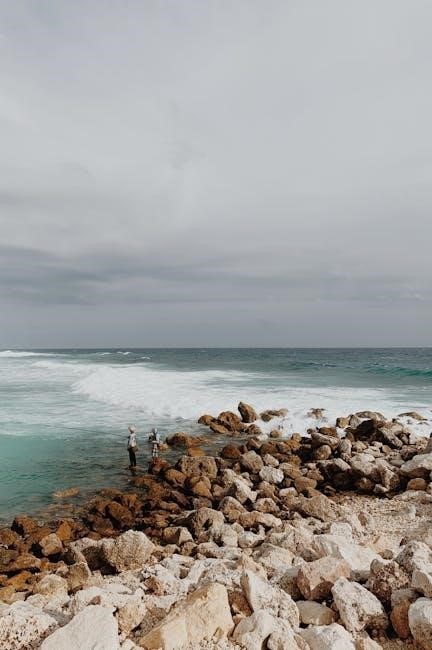
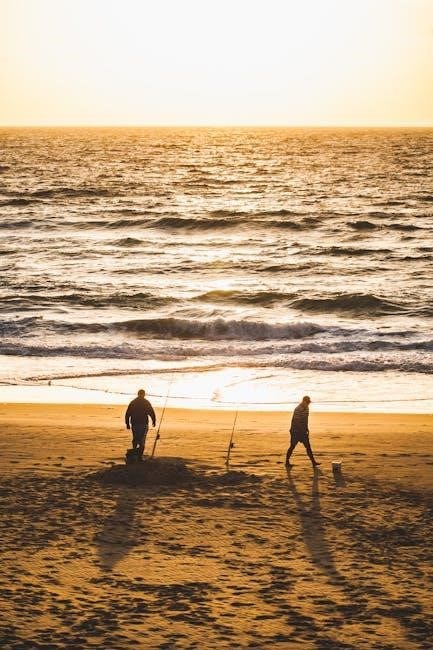
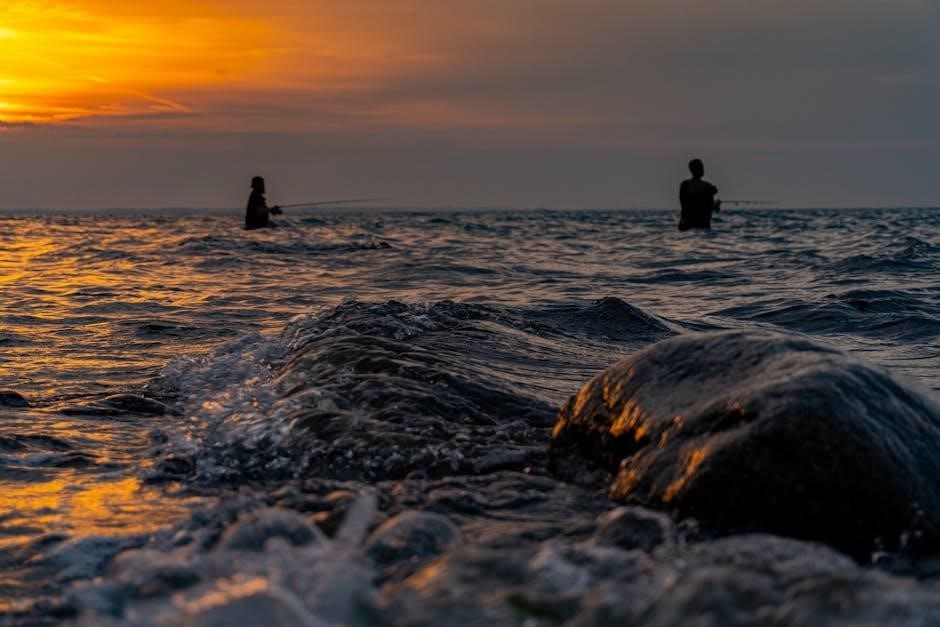
Surf fishing is a thrilling and accessible form of angling, enjoyed by countless enthusiasts along coastlines worldwide. It uniquely combines the serenity of the ocean with the excitement of the catch, offering a dynamic experience unlike any other. Unlike boat fishing, surf fishing requires no vessel – the beach is your boat!
This method involves casting your line from the shore into the surf, targeting species that frequent nearshore waters. It’s a fantastic option for anglers of all skill levels, from complete novices to seasoned pros. The simplicity of accessing the fishing ground, coupled with the potential for diverse catches, makes it incredibly appealing.
Today, with readily available resources and modern gear, surf fishing is easier and more rewarding than ever. Imagine reeling in fresh whiting or pompano directly from the beach – a truly satisfying experience! This guide will equip you with the knowledge to confidently pursue this captivating pastime, ensuring successful and memorable outings.
Essential Surf Fishing Gear
Success in surf fishing hinges on having the right equipment. Beyond just a rod and reel, a carefully curated kit dramatically increases your chances of landing a prized catch. Investing in quality gear isn’t about extravagance; it’s about functionality and durability in a harsh saltwater environment.
Core components include a robust surf rod, capable of long casts, paired with a suitable reel – either spinning or conventional, depending on preference and target species. Strong fishing line, shock leaders, and a variety of terminal tackle (hooks, swivels, weights) are also crucial. Don’t underestimate the importance of a tackle bag to keep everything organized and protected.
Furthermore, practical accessories like a bait bucket, pliers, a fish gripper, and a measuring tape enhance the experience. Proper clothing, including sun protection and waterproof layers, is essential for comfort and safety. Preparing with the correct gear transforms a simple outing into a productive fishing adventure.
2.1 Rod Selection for Surf Fishing
Choosing the right surf rod is paramount for distance, power, and sensitivity. Length typically ranges from 9 to 15 feet; longer rods excel at casting, while shorter ones offer more control. Graphite rods are lightweight and sensitive, ideal for detecting subtle bites, but less durable. Fiberglass rods are tougher and more forgiving, suitable for heavier weights and rough conditions.

Rod power – light, medium, or heavy – dictates the weight of lures and line it can handle. Medium-heavy to heavy power rods are generally preferred for surf fishing, accommodating various bait sizes and potential for larger fish. Action (slow, moderate, fast) influences casting distance and hook-setting ability. Moderate to fast action rods provide a good balance.
Consider the target species and typical conditions when selecting a rod. A versatile rod in the 10-12 foot range with medium-heavy power and moderate-fast action is a solid starting point for most surf fishing scenarios.
2.2 Reel Types: Spinning vs. Conventional
Selecting a reel significantly impacts your surf fishing experience. Spinning reels are user-friendly, excellent for beginners, and versatile with various line types. They’re ideal for lighter weights and smaller baits, offering smooth casting and retrieval. However, they may struggle with heavier sinkers and larger fish compared to conventional reels.
Conventional reels, also known as baitcasters, provide superior power and line capacity, making them suitable for long casts with heavy weights and battling substantial fish like red drum. They require more practice to master due to potential for backlashes, but offer greater control and durability.
For surf fishing, a larger spinning reel (size 4000-8000) or a conventional reel with a star drag is recommended. Consider spool capacity, drag system quality, and corrosion resistance when making your choice.
2.3 Line and Leader Choices
Choosing the right line and leader is crucial for success. Monofilament is a popular choice for its affordability, stretch, and shock absorption, ideal for general surf fishing. Braided line offers superior strength, sensitivity, and minimal stretch, enhancing bite detection and casting distance, but can be more expensive.
Fluorocarbon line is nearly invisible underwater, making it excellent for leaders, especially when targeting wary fish like flounder. A leader protects your main line from abrasion caused by rocks, shells, and the fish’s teeth.
For surf fishing, 20-30lb monofilament or 30-50lb braided line paired with a 30-50lb fluorocarbon leader is a good starting point. Adjust line strength based on target species and fishing conditions.

2.4 Terminal Tackle: Hooks, Swivels, and Weights
Selecting appropriate terminal tackle significantly impacts your catch rate. Circle hooks are excellent for catch-and-release, hooking fish in the corner of the mouth, and are ideal for bait fishing. J-hooks are a classic choice, requiring a quicker hookset.
Swivels prevent line twist, especially when using lures or fishing in currents. Barrel swivels are common, while snap swivels allow for quick lure changes. Weights are essential for casting distance and keeping your bait in place.
Pyramid weights are ideal for sandy bottoms, while bank sinkers work well on structure. Weight size depends on current and surf conditions – typically 2-6 ounces. Don’t forget split shot for fine-tuning your presentation!
Understanding Beach Structure and Fish Habitat
Successful surf fishing hinges on understanding beach topography. Fish congregate where food is plentiful, and structure creates these hotspots. Look for troughs – channels running parallel to the shore – as they often hold baitfish and predatory species.
Sandbars, submerged ridges of sand, also attract fish, particularly during tidal changes; Holes, deeper depressions in the sand, are prime ambush points for larger predators. Identifying these features requires observation.
Pay attention to wave patterns; breaking waves indicate shallower areas, while calmer water suggests deeper troughs or holes. Rip currents can also signal deeper channels. Learning to “read the beach” dramatically increases your chances of locating fish and enjoying a productive outing.
3.1 Reading the Beach: Troughs, Bars, and Holes
Decoding the shoreline is crucial for locating fish. Troughs, formed by wave action, are channels of deeper water running parallel to the beach, often holding baitfish and attracting predators seeking an easy meal. Identifying them involves observing wave patterns – calmer areas often indicate troughs.
Sandbars, submerged ridges, create breaks in the waves and concentrate fish, especially during tidal shifts. Holes, deeper depressions, act as ambush points for larger species. Look for areas where waves converge or diverge, signaling potential structure.

Practice observing how waves break; a consistent line of breaking waves suggests a sandbar, while a gap indicates a trough or hole. Understanding these features transforms you from a casual angler into a strategic surf fisherman.
3.2 Identifying Fish-Holding Structures
Beyond troughs, bars, and holes, pinpointing specific structures dramatically increases your success. Piers and jetties create artificial reefs, attracting fish seeking shelter and food. Observe current flow around these structures; fish often position themselves up-current to intercept drifting bait.
Look for areas with varying bottom composition – transitions from sand to shell or rock often hold fish. Rip currents, while dangerous, can also concentrate bait and predators as they pull water offshore. Seaweed beds provide cover for smaller fish, attracting larger game species.

Bird activity is a key indicator; diving birds signal the presence of baitfish, and therefore, predators. Pay attention to subtle changes in water color or surface disturbances, which can reveal hidden structure and active fish.
Popular Surf Fishing Target Species
The surf zone teems with diverse fish, offering exciting challenges for anglers. Pompano, often called the “surfer’s delight,” are prized for their delicate flavor and fighting spirit, frequently caught along sandy beaches. Whiting provide excellent, beginner-friendly action, readily taking small baits near shore.
For those seeking power, Red Drum (Redfish) offer thrilling battles, often found near inlets and structure. Flounder, masters of camouflage, require specialized tactics to locate and land these flatfish hiding on the bottom.
Other common catches include speckled trout, bluefish, and various species of jacks. Understanding each species’ habitat preferences and feeding habits is crucial for successful surf fishing.
4.1 Pompano: The Surfer’s Delight
Pompano are highly sought-after by surf anglers due to their exceptional taste and enjoyable fight. These fish prefer sandy bottoms and are often found in the trough areas just beyond the breaking waves. They are particularly active during the fall and winter months, though catches occur year-round.
Successful pompano fishing often involves “high-low” rigs with sand fleas, shrimp, or clams as bait. Pompano have small mouths, so smaller hooks (size 6-8) are recommended. Detecting a bite can be tricky; watching for subtle rod tip movements is key.
Their silvery bodies and forked tails make them beautiful catches, and their firm, white flesh is a culinary treasure. Targeting pompano requires patience and a keen understanding of beach structure.
4.2 Whiting: A Beginner-Friendly Catch
Whiting represent an excellent species for novice surf fishers, offering consistent action and relatively easy identification. These fish congregate in similar areas to pompano – sandy bottoms and trough systems – making them a common bycatch when targeting other species. They are abundant along many coastlines, providing reliable fishing opportunities.
Simple rigs, such as a Carolina rig or a high-low rig, baited with shrimp or small pieces of clam, are highly effective. Whiting readily accept a variety of baits, making them forgiving for beginners. A moderate-action rod is sufficient for handling their typically smaller size.
Their delicate, flaky flesh makes them a delicious table fare, and their frequent presence near shore makes them a rewarding catch for all skill levels.
4.3 Red Drum (Redfish): Inshore Power
Red Drum, often called Redfish, are a prized catch for surf anglers seeking a thrilling fight. These powerful inshore predators are commonly found near inlets, jetties, and along beaches with oyster reefs or submerged structures. They exhibit a preference for warmer waters, making them a popular target during spring and fall;
Successful Redfish angling often involves targeting areas where freshwater meets saltwater, or near cuts in the beach. Larger Redfish require heavier tackle – a medium-heavy rod and a robust reel spooled with braided line. Live shrimp, cut mullet, or artificial lures like spoons and soft plastics are effective baits.
Be prepared for a strong run when hooked; Redfish are known for their aggressive strikes and tenacious fighting spirit.
4.4 Flounder: Flatfish Tactics

Flounder, masters of camouflage, present a unique challenge for surf fishermen. These flatfish lie nearly invisible on the sandy bottom, ambushing unsuspecting prey. Targeting flounder requires a slower, more deliberate approach than pursuing faster species. Look for areas with slight depressions or near structure where flounder can conceal themselves.
A light to medium-action rod paired with a spinning reel is ideal. Small jigs tipped with live minnows, shrimp, or cut bait are highly effective. Dragging the bait slowly along the bottom, allowing it to “tick” over obstacles, often triggers a strike. Pay close attention to any subtle taps or changes in line tension.
Flounder strikes are often subtle, so a sensitive rod is crucial for detection.
Best Baits for Surf Fishing
Selecting the right bait is paramount to surf fishing success, and options range from readily available natural choices to enticing artificial lures. Natural baits like sand fleas, shrimp, and clams are consistently effective, mimicking the flounder and other species’ natural food sources. These baits offer strong scent trails, attracting fish from a distance.
However, artificial lures provide versatility and can cover more ground. Spoons excel at imitating fleeing baitfish, while plugs create enticing vibrations. Soft plastics, mimicking shrimp or worms, are incredibly versatile and can be rigged in numerous ways.
Experimentation is key! Consider water clarity, current, and target species when choosing your bait. Fresh bait generally outperforms older bait, maximizing your chances of a rewarding catch.
5.1 Natural Baits: Sand Fleas, Shrimp, and Clams
Natural baits consistently deliver results for surf anglers, capitalizing on a fish’s instinctive feeding behaviors. Sand fleas, found buried in wet sand, are a pompano and whiting favorite, offering a natural, readily available option. Shrimp, either live or frozen, are incredibly versatile, attracting a wide range of species with their potent scent.
Clams, particularly those with a strong odor, are excellent for targeting larger fish like red drum. Properly presenting these baits is crucial; use a sturdy hook and consider a sand spike to keep your bait in position.
Freshness matters significantly. Regularly check and re-bait to maintain a strong scent trail, increasing your chances of attracting hungry fish along the shoreline. These natural offerings are a cornerstone of successful surf fishing.
5.2 Artificial Lures: Spoons, Plugs, and Soft Plastics
Artificial lures offer dynamic presentation and cover more ground, appealing to predatory instincts. Spoons, with their wobbling action and flash, excel at attracting attention in murky water, proving effective for whiting and smaller bluefish. Plugs, mimicking baitfish, are ideal for targeting red drum and larger species, especially when retrieved with varying speeds.
Soft plastics, incredibly versatile, can be rigged in numerous ways to imitate crabs, shrimp, or worms. Experiment with colors and retrieves to find what triggers a bite.
Lure weight is crucial for casting distance; heavier lures combat wind and reach further. Don’t hesitate to adjust your technique based on conditions and target species – a lively presentation often seals the deal!
Surf Fishing Techniques and Strategies
Mastering surf fishing requires adapting to ever-changing conditions. Distance casting is paramount, utilizing techniques like the pendulum cast or overhead cast to reach productive zones beyond the breakers. Once the bait is placed, patience is key, but don’t be afraid to experiment with retrieval speeds and pauses.
Employ a slow, steady retrieve when using lures, mimicking natural prey movement. When bait fishing, a slight tightening of the line can signal a bite.
Reading the water is crucial; focus on areas where currents converge or structure creates holding points for fish. Remember, successful surf fishing blends technique, observation, and a little bit of luck!
6.1 Casting Techniques for Distance
Achieving maximum distance is vital for reaching fish-holding areas. The pendulum cast, a sidearm swing, generates significant power and is ideal for heavier weights. Begin with a smooth backcast, building momentum, then transition into a forward swing, releasing the line at the peak for optimal trajectory.
Alternatively, the overhead cast, similar to baseball pitching, offers control and distance. Ensure a fluid motion, utilizing your entire body weight for power. Practice both techniques to find what suits your strength and style.
Proper line management is crucial; avoid wind knots and ensure a clean release. Remember, consistent practice is the key to mastering these distance-casting techniques and expanding your reach!
6;2 Bait Presentation and Retrieval Methods
Effective bait presentation is key to attracting bites. For natural baits like shrimp or clams, secure them firmly to the hook, ensuring they appear natural and enticing. Consider using bait elastic to prevent slippage in strong currents.
When employing artificial lures, vary your retrieval speed and action. A slow, steady retrieve can mimic a wounded baitfish, while a faster, erratic retrieve can trigger predatory instincts. Experiment with pauses and twitches to add realism.
Pay attention to the current and wave action; adjust your presentation accordingly. A slightly weighted bait will stay grounded in the surf, while a lighter presentation drifts more naturally. Observe and adapt to maximize your success!
Safety Considerations for Surf Fishing

Prioritizing safety is paramount when surf fishing. Be acutely aware of rip currents – powerful channels of water flowing away from the shore. If caught in one, don’t fight it; swim parallel to the beach until you escape the current, then swim towards shore.
Ocean conditions can change rapidly. Always check the weather forecast and heed any warnings issued by local authorities. Be mindful of waves and potential hazards like submerged objects or marine life.
Protect yourself from the sun with sunscreen, a hat, and sunglasses. Stay hydrated by drinking plenty of water throughout the day. Inform someone of your fishing location and expected return time.
7.1 Rip Currents and Ocean Hazards
Rip currents are a significant danger for surf anglers. These strong, narrow currents pull water away from the shore, and can quickly carry even strong swimmers out to sea. Identifying them is crucial: look for channels of choppy, discolored water, or areas with a noticeable lack of breaking waves.
If caught in a rip current, do not panic and attempt to swim directly back to shore against it. Instead, swim parallel to the beach until you are out of the current’s pull, then swim at an angle away from the rip.
Beyond rip currents, be aware of other ocean hazards like sudden drop-offs, submerged rocks, and marine life such as jellyfish or stingrays. Always scan your surroundings and exercise caution.
7.2 Sun Protection and Hydration
Prolonged exposure to the sun and heat is a major concern during surf fishing. The reflective nature of the water intensifies UV radiation, increasing the risk of sunburn and heatstroke. Always apply a broad-spectrum, water-resistant sunscreen with a high SPF (30 or higher) liberally and reapply every two hours, or more often if swimming or sweating.
Protective clothing is essential. Wear a wide-brimmed hat, sunglasses (polarized are best for spotting fish), and lightweight, long-sleeved shirts and pants when possible.

Hydration is equally critical. Drink plenty of water throughout your fishing trip, even if you don’t feel thirsty. Avoid sugary drinks and alcohol, as they can contribute to dehydration. Bring more water than you think you’ll need, especially on hot days.